HERITAGE
🏔️
“History, páramos and traditional crafts”
Tunja, Villa de Leyva, Ráquira, Monguí and Lake Tota reveal Boyacá’s urban heritage, pottery, agriculture and mountain landscapes.
Tunja is the capital, preserving colonial architecture and religious art. Villa de Leyva is known for Plaza Mayor, museums and palaeontological surroundings. Ráquira is recognised for ceramics and Nobsa for wool textiles. Lake Tota is shared by Aquitania, Cuítiva and Tota. Check access to páramos and protected areas before every visit.
Carranga music, Nobsa wool weaving and Ráquira pottery. Local foods include mazamorra chiquita, traditional baked goods and Paipa cheese.
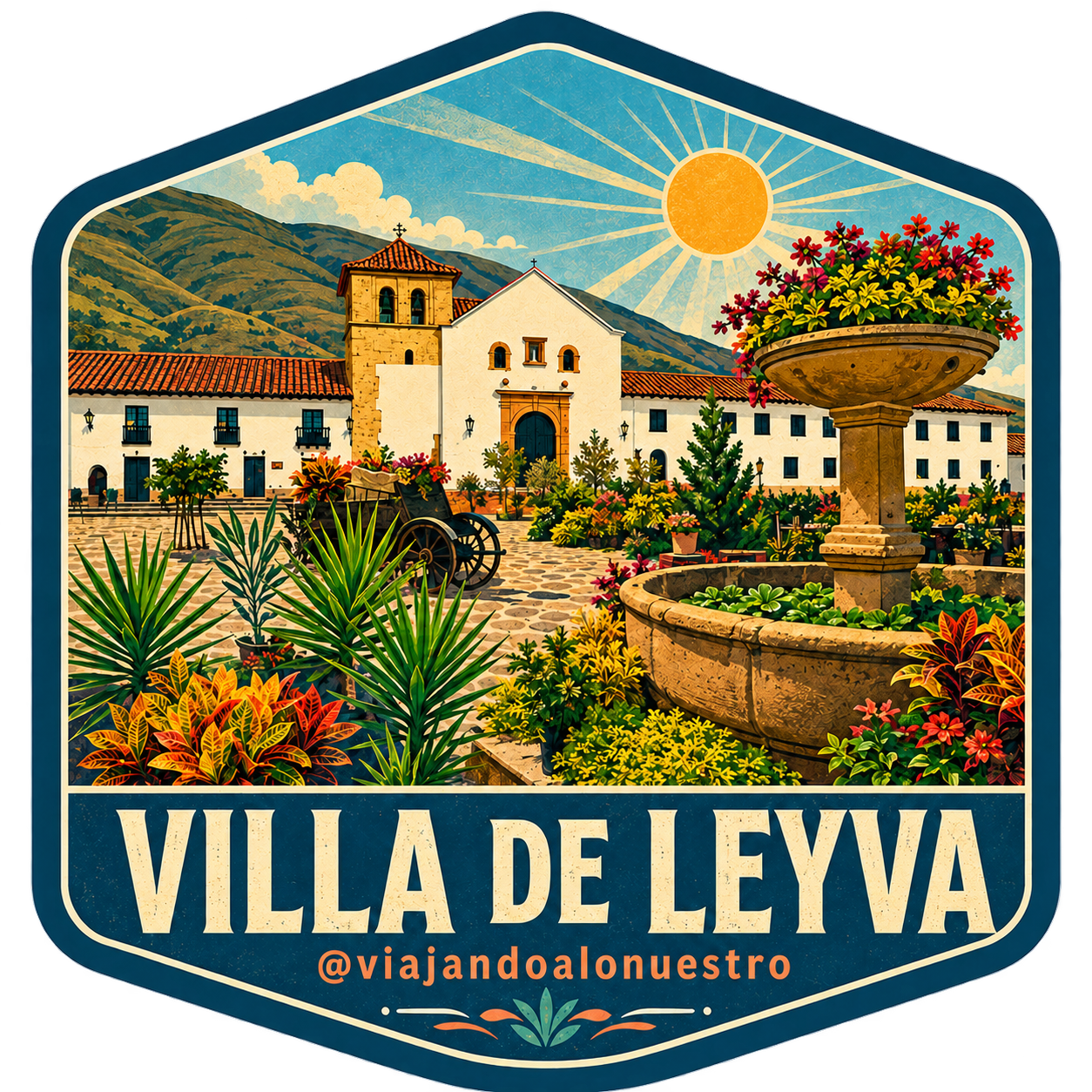
A dry valley, colonial architecture, vineyards and prehistoric fossils.
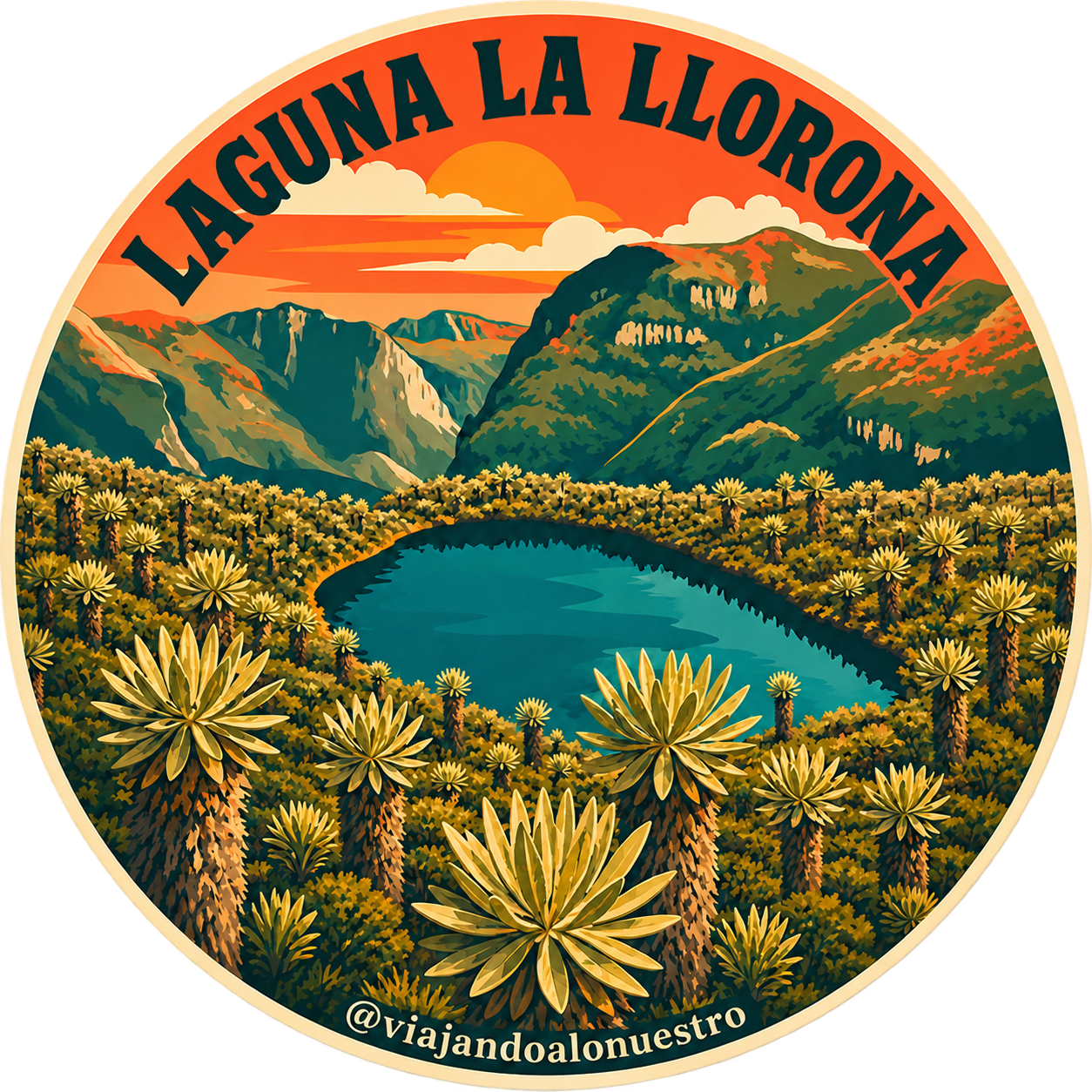
Lake Tota, Playa Blanca at around 3,000 metres and protected páramos.
Check the forecast and destination conditions before leaving. Weather varies with altitude and area; confirm opening hours, capacity and protected-area closures.
“Plaza Mayor, museums and palaeontological heritage”
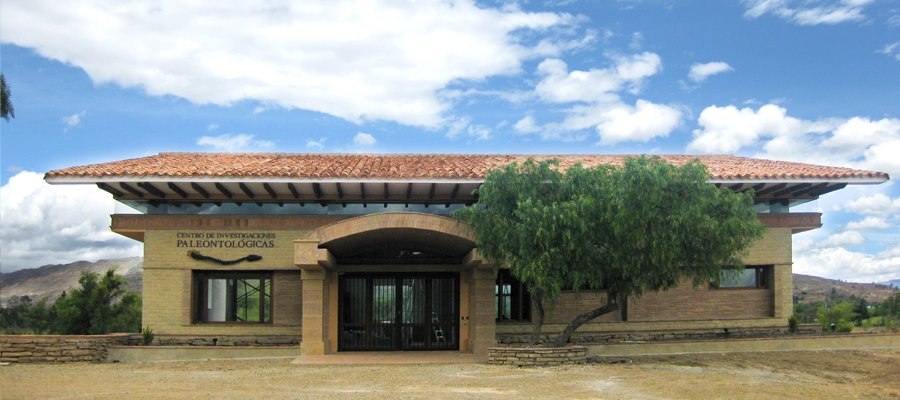
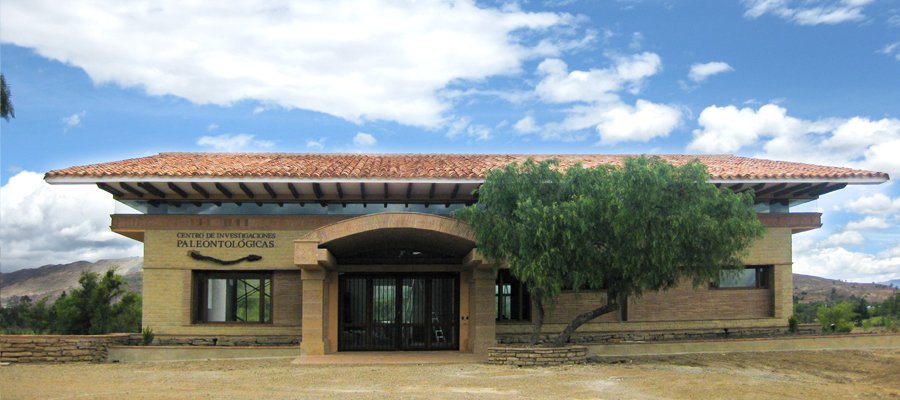
Founded in 1572, this Alto Ricaurte town is known for its cobbled Plaza Mayor, white façades and museums. Its surroundings preserve palaeontological heritage. Pozos Azules and Museo El Fósil are outside the centre and have their own access conditions.

“Capital artesanal de Colombia”
Famosa por su alfarería de barro cocido y fachadas coloridas.
Take this region’s landscapes, wildlife and plants with you through products for travel and everyday life.